
Captain's Message
Hey everyone,
Welcome to the example edition of FlightDeck Weekly! If you're not sure whether you should subscribe to it or not, I recommend reading through this to get a feel for the content and style of this newsletter. In every edition, we include this week's aviation news, FlightDeck development updates, an aircraft spotlight, a couple flight simulator tips or recommendations, an airport of the week, future flight, and my personal favourite: The Fun Zone. It's filled with legendary memes (When RyanAir makes a butter landing), funny ATC quotes ("SPIRIT, GET OFF THE IPAD!" and "And that's why you still fly an RJ."), and more.
Happy Reading,
Cassim Mosam, founder of FlightDeck
📰 Aviation News Radar
VERY Good

The Boeing 777X program continues to move forward as Boeing advances flight testing and certification work on what is expected to become one of the most technologically advanced commercial aircraft ever built. Although the aircraft has faced delays during development, recent milestones have highlighted the company’s continued confidence in the future of the program. The 777X is designed as the next generation of Boeing’s highly successful 777 family and introduces several major improvements over previous models. One of its most recognizable features is its enormous composite wing with folding wingtips, allowing the aircraft to maintain airport compatibility while improving aerodynamic efficiency during flight. The aircraft is also powered by the GE9X engine, currently the world’s largest commercial jet engine, developed by GE Aerospace. Boeing says the aircraft will deliver significantly lower fuel consumption and emissions compared to older wide-body jets, helping airlines reduce operating costs on long-haul routes. The cabin has also been redesigned with larger windows, improved humidity, quieter interiors, and increased passenger comfort aimed at modern international travel expectations. Several major airlines, including Emirates, Lufthansa, and Qatar Airways, have already placed orders for the aircraft, signaling strong long-term confidence in the program despite the delays. Aviation analysts believe the 777X could become a key aircraft for busy international routes as global travel demand continues to grow. Recent testing activity has also shown steady progress, with Boeing completing thousands of flight-test hours and continuing work alongside regulators to finalize certification requirements. The company recently celebrated the first flights of production-standard aircraft, an important step toward eventual airline deliveries. While challenges remain before the aircraft officially enters service, many in the aviation industry still view the 777X as a major leap forward in commercial aviation technology. For aviation fans, the aircraft represents the future of long-haul flying — combining the size and range of classic jumbo jets with the efficiency and technology of a modern airliner.
Good

Air Canada has taken a major step in reshaping its long-haul network with the arrival of its first Airbus A321XLR, marking a new era of narrowbody long-range operations for the airline. The Airbus A321XLR (Extra Long Range) is designed to bridge the gap between traditional short-haul narrowbody aircraft and larger widebody jets. With its extended range, the aircraft allows airlines like Air Canada to operate transatlantic and other long-distance routes more efficiently, opening the door to new city pairs that were previously not economically viable. For Air Canada, the A321XLR represents both flexibility and precision. Instead of relying solely on larger aircraft such as the Boeing 787 for long-haul routes, the airline can now deploy a smaller, more fuel-efficient jet on thinner routes with lower demand. This enables increased frequency, improved connectivity, and access to secondary destinations across Europe and potentially beyond. Passengers can also expect a modern onboard experience. Despite being a narrowbody aircraft, the A321XLR is typically configured with enhanced cabin features, including upgraded seating, larger overhead bins, and improved lighting. Air Canada is expected to offer a premium cabin alongside economy seating, bringing elements of widebody comfort to a smaller aircraft. Operational efficiency is a key advantage. The A321XLR’s advanced aerodynamics and fuel-efficient engines significantly reduce fuel burn per seat compared to older aircraft. This not only lowers operating costs but also contributes to reduced emissions, aligning with the airline’s sustainability goals. Strategically, the addition of the A321XLR strengthens Air Canada’s ability to adapt to changing travel demand. The aircraft is particularly well-suited for routes connecting smaller North American cities to European destinations, where demand may not justify a widebody but still supports direct service. The introduction of the A321XLR also reflects a broader industry trend. Airlines worldwide are increasingly turning to long-range narrowbody aircraft to expand networks, improve efficiency, and offer more direct flights to passengers. As Air Canada begins integrating the A321XLR into its fleet, the aircraft is expected to play a pivotal role in the airline’s future growth. With its combination of range, efficiency, and versatility, the A321XLR is poised to become a key asset in connecting passengers across continents in a more flexible and sustainable way.
BAD
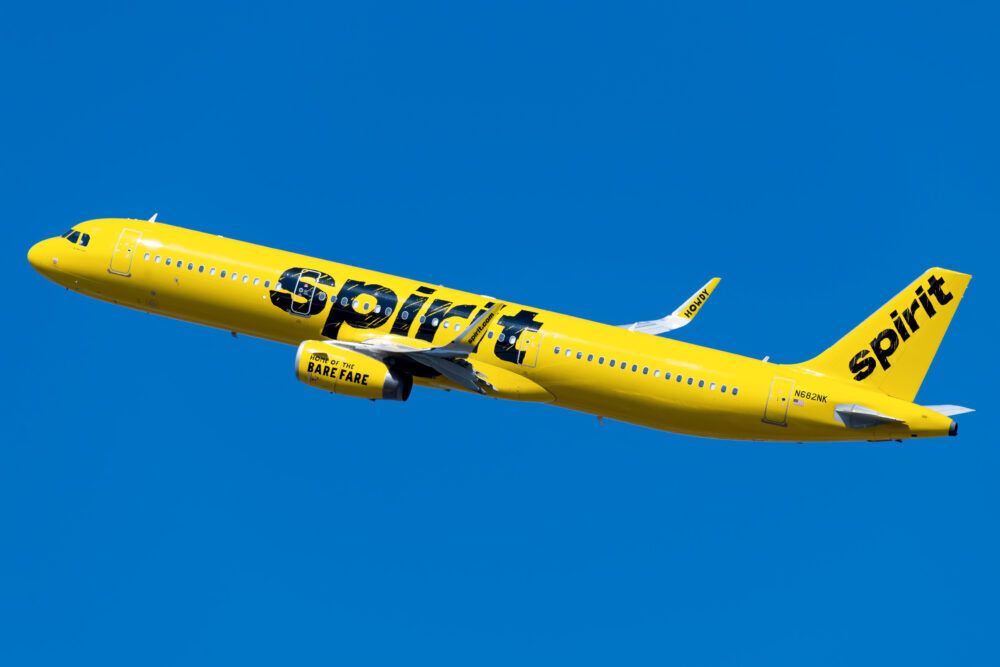
In an unprecedented development that has sent shockwaves through the aviation industry, Spirit Airlines has reportedly ceased operations overnight, catching passengers, employees, and regulators off guard. The abrupt shutdown of one of North America’s most prominent ultra-low-cost carriers raises urgent questions about financial stability, operational resilience, and the broader future of budget air travel. Late last night, travelers began noticing irregularities as Spirit’s booking systems went offline and flights started disappearing from departure boards across major airports. By early morning, the airline had issued a brief statement confirming an immediate suspension of all operations, citing “severe and insurmountable financial constraints.” Spirit Airlines, long known for its no-frills pricing model and aggressive cost-cutting strategies, had been navigating a turbulent financial landscape for years. Rising fuel costs, increased competition, and mounting debt had put pressure on the airline’s balance sheet. Despite attempts to restructure and explore merger opportunities, including previously reported talks with other carriers, those efforts ultimately failed to stabilize the company. Industry analysts suggest that the airline may have reached a liquidity breaking point, where it could no longer sustain daily operations. The speed of the shutdown indicates that negotiations with creditors or potential investors likely collapsed at the last moment. The immediate impact has been severe for passengers. Thousands of travelers were left stranded at airports across the United States, Canada, and the Caribbean, with limited information and few alternatives. Customer service lines were overwhelmed within minutes of the announcement, and the airline’s website remained inaccessible for hours. Airports including Fort Lauderdale, Orlando, and Las Vegas—major hubs for Spirit—experienced significant disruption as grounded aircraft sat idle and departure gates emptied. Travel experts are advising affected passengers to contact their credit card providers for potential refunds and to seek rebooking options with other airlines. However, last-minute fares have surged due to the sudden spike in demand. Spirit’s workforce, consisting of thousands of pilots, flight attendants, and ground staff, now faces immediate uncertainty. Reports indicate that many employees were informed of the shutdown through internal emails just hours before operations ceased. The broader airline industry is expected to feel ripple effects. Competitors may absorb displaced demand, particularly in the low-cost segment, but the loss of Spirit reduces price competition—a factor that could drive fares higher in the short term. Regulators, including the U.S. Department of Transportation, are expected to investigate the circumstances surrounding the shutdown, particularly regarding passenger protections and refund obligations. Meanwhile, financial markets are reacting sharply, with aviation-related stocks showing early volatility in pre-market trading. The collapse also raises questions about the sustainability of ultra-low-cost carriers in a post-pandemic environment marked by volatile fuel prices and shifting consumer expectations. For now, the focus remains on assisting stranded passengers and addressing the immediate operational vacuum left behind. Industry observers will be closely watching whether assets such as aircraft and airport slots are acquired by other carriers or liquidated. Spirit Airlines’ sudden shutdown marks a dramatic moment in aviation history—one that underscores the fragility of even well-known carriers in a highly competitive and capital-intensive industry.
💻 FlightDeck Development Updates
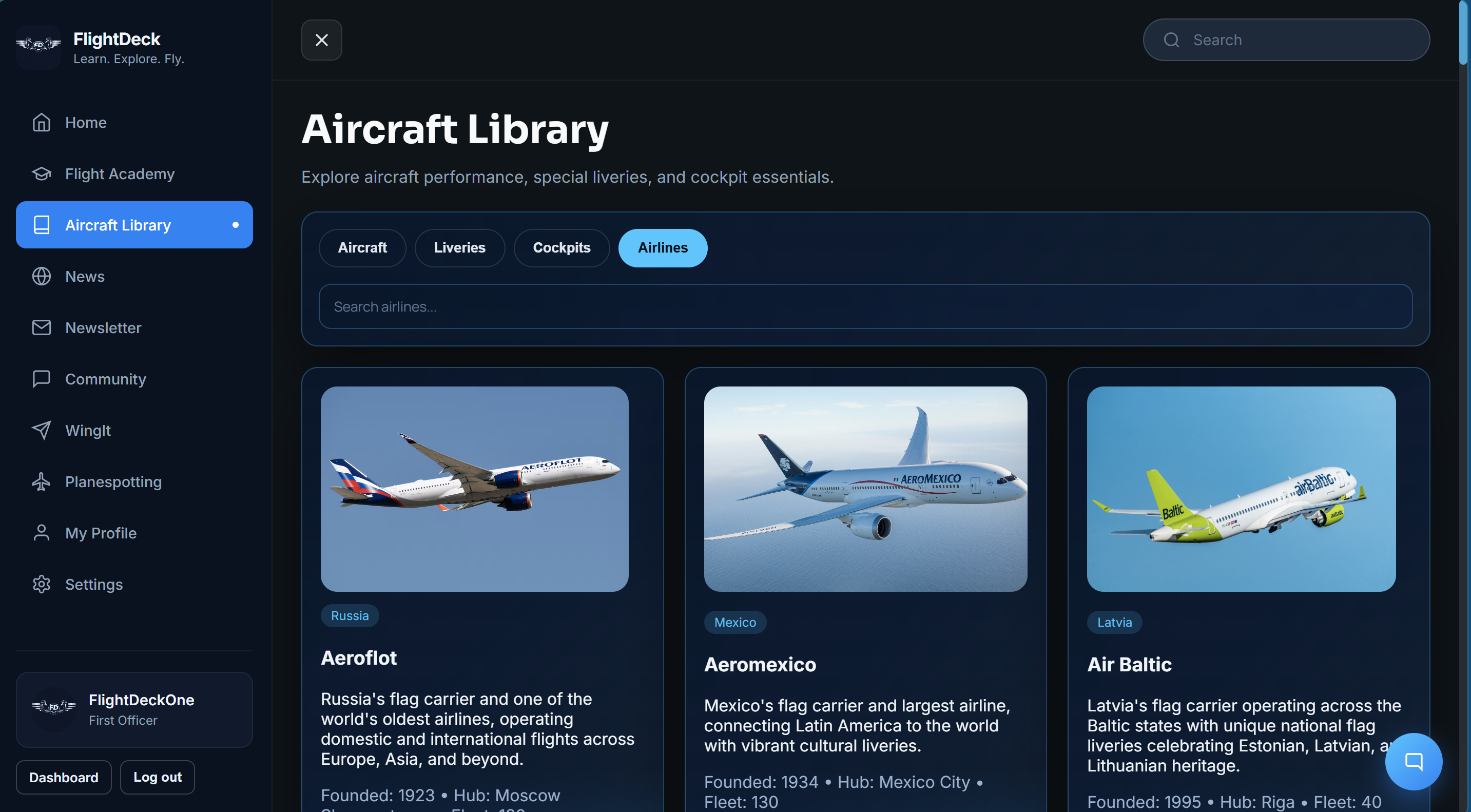
HUGE progress this week on the FlightDeck platform:
- New airlines database with 50+ entries added
- UI redesign complete - cleaner, faster, more intuitive
- Fixed the annoying navigation bug that was driving everyone crazy. Actually, it was only driving me crazy cause it wasn't online yet.
- What's next: Planespotting section overhaul- as of May 9, 2026, it does not work at all.
✈️ Aircraft Spotlight: Boeing 747
Even after nearly 60 years, the Queen of the Skies is still a treat for plane spotters to stumble apon.
- Overview: The Boeing 747 is one of the most iconic airplanes ever built, often nicknamed the “Queen of the Skies.” First introduced in 1970, it was the world’s first wide-body “jumbo jet,” designed to carry far more passengers than earlier airliners and help make long-distance travel more accessible. Its distinctive hump-shaped upper deck originally housed a lounge and later became part of its upper passenger seating or first-class cabins. The 747 is powered by four engines and was built for ultra-long-haul routes, connecting continents efficiently at a time when global air travel was rapidly expanding. Over the decades, it served both commercial airlines and special roles like cargo transport and even government VIP flights. Though production has now ended, the 747 remains a symbol of the golden age of aviation and a major milestone in aerospace engineering.
- Fun Fact: The 747's distinctive hump was originally designed as a convenience to easily convert used passenger planes into cargo aircraft, as Boeing believed the Concorde would dominate commercial air travel.
- Cockpit: The cockpit of the Boeing 747 is a wide, complex flight deck designed for long-haul operations, with seats for two pilots and (in older models) a flight engineer. It features a central control pedestal filled with engine throttles, navigation systems, and autopilot controls, while the main panel is packed with instruments or digital displays depending on the version. Earlier 747s were highly analog and required heavy crew coordination, while newer variants like the 747-400 modernized the layout with glass cockpit screens and reduced crew workload, making it more streamlined but still very “hands-on” compared to smaller airliners.
- Engine: The engines of the Boeing 747 are some of the most powerful and recognizable jet engines ever mounted on a commercial aircraft. With four large turbofan engines suspended beneath its swept wings, the 747 produces the massive thrust needed to lift the giant aircraft across oceans and continents. Depending on the variant, the aircraft has used engines from companies like Pratt & Whitney, General Electric, and Rolls-Royce. Their deep roar during takeoff became legendary among aviation fans, giving the 747 a powerful presence both in the air and on the ground. Modern 747 engines are also far more fuel-efficient and quieter than earlier generations, combining enormous power with advanced engineering.

Would you fly it? Look, if you subscribed to this newsletter and you despise 747s, you're realistically not subscribed to this newsletter... if that makes any sense.
🎮 Flight Sim Gear
This week's sim highlights:
- Budget Flight Stick: Thrustmaster T-Flight HOTAS X
 Thrustmaster T-Flight HOTAS X is an entry-level flight control system designed to provide a more immersive and realistic flying experience for flight simulators. Featuring a detachable throttle, programmable buttons, and a twist-rudder joystick, it allows users to perform precise aircraft maneuvers while replicating the feel of real cockpit controls. Its accessible design and compatibility with popular simulators make it a popular choice for beginner virtual pilots.
 - Budget Yoke: Turtle Beach VelocityOne Yoke
 The Turtle Beach VelocityOne Flight Universal Control System is a high-end flight simulation controller built to replicate the feel of a real aircraft cockpit. Featuring a realistic 180-degree yoke rotation, integrated trim wheel, modular throttle quadrant, and built-in rudder controls, it delivers precise and immersive control for simulators like Microsoft Flight Simulator 2024 and X-Plane 12. Its detailed cockpit-style layout and advanced customization options make it especially popular among serious virtual pilots and airliner enthusiasts.
 - Best Graphical Flight Simulator: Microsoft Flight Simulator 2024
 Microsoft Flight Simulator 2024 focuses heavily on visual realism, delivering highly detailed landscapes, advanced lighting, volumetric clouds, dynamic weather, and photorealistic cities streamed from satellite and cloud-based data. The simulator emphasizes immersion with improved ground textures, realistic aircraft models, dense environmental detail, and cinematic atmospheric effects that make flying feel visually close to real-world aviation.
- Best Physics Flight Simulator: X-Plane 12
 X-Plane 12 is a flight simulator built around advanced aerodynamic physics rather than scripted aircraft behavior. Using blade element theory, the simulator calculates airflow and forces across different parts of an aircraft in real time, allowing planes to react dynamically to weather, turbulence, control inputs, and stalls. This physics-focused approach gives X-Plane 12 highly realistic flight characteristics, making it popular among aviation enthusiasts and real-world pilots for procedural and aerodynamic training.
🌎 Airport of the Week: Singapore Changi

- Singapore Changi Airport is considered one of the most advanced and passenger-friendly airports in the world, serving as a major international gateway connecting Asia, Europe, Oceania, and North America. Opened in 1981, Changi has grown into a massive global aviation hub known not only for its efficiency and scale, but also for transforming the airport experience into something closer to a futuristic entertainment complex. The airport handles tens of millions of passengers each year and serves hundreds of destinations worldwide through dozens of international airlines, including its home carrier, Singapore Airlines. One of Changi’s most iconic features is Jewel Changi Airport, a huge mixed-use complex attached to the terminals. At its center is the Rain Vortex, the world’s tallest indoor waterfall, surrounded by indoor forests, walking trails, restaurants, shops, and entertainment attractions. The airport itself contains gardens, movie theaters, sleeping lounges, art installations, butterfly habitats, and high-end shopping areas, making it famous for turning layovers into part of the travel experience rather than just waiting time. From an aviation perspective, Changi is also highly respected for its operational efficiency and advanced infrastructure. Its runways, taxiway systems, automated baggage handling, and air traffic coordination allow it to manage enormous amounts of aircraft movement smoothly and safely. The airport’s terminals are connected through automated people movers and feature spacious layouts designed to reduce congestion and improve passenger comfort. Changi is frequently ranked among the best airports in the world thanks to its cleanliness, customer service, architecture, and innovation. For many aviation enthusiasts, it represents the “gold standard” of modern airports — a place where engineering, design, and travel experience all come together in an almost sci-fi way.
💀 Aviation Humor Section
ATC Quotes of the Week:
ATC: "Delta 351, you have traffic at 10 o’clock, 6 miles!"
Pilot: "Give us another hint! We have digital watches!"
Pilot: "I’m lost. I’m over a lake and heading toward the big E."
ATC: "That lake is the Atlantic Ocean. Suggest you turn toward the big W immediately."
ATC: "Follow the CRJ."
Pilot: "Roger, following the Smurf jet."
Memes of the Week:


🚀 Tech & Future Flight
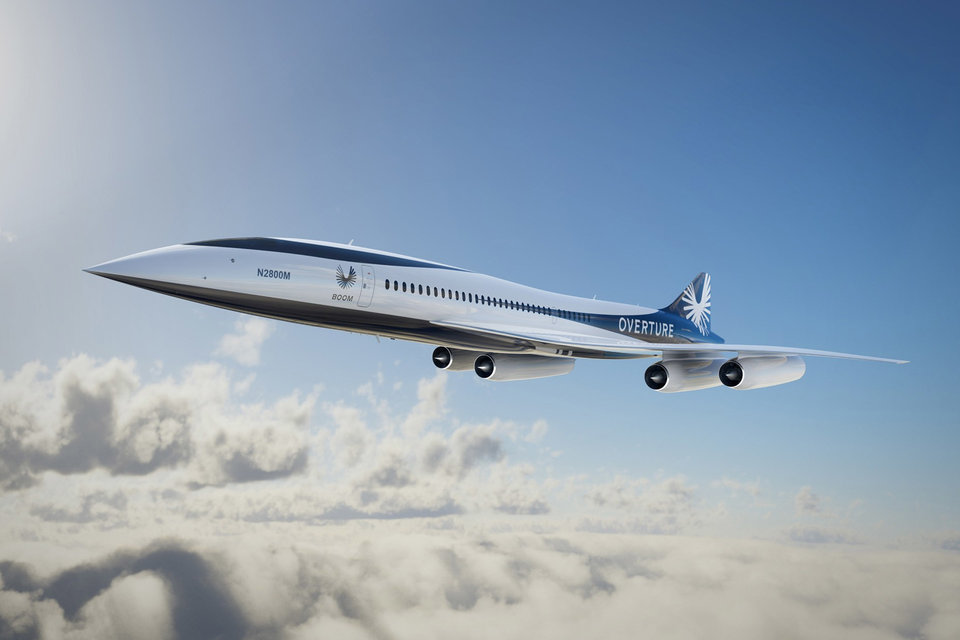
The future of aviation is being shaped by new technologies designed to make flying faster, cleaner, and more efficient. Aerospace companies such as Airbus and Boeing are developing next-generation aircraft that use sustainable aviation fuel, hydrogen power, and advanced aerodynamic designs to reduce emissions and fuel consumption. At the same time, electric aircraft and eVTOL "air taxi" concepts are being tested for short regional and urban travel. Companies like Joby Aviation are working on quieter, battery-powered aircraft that could transform transportation within cities. Meanwhile, supersonic travel may also return through projects like Boom Supersonic's Overture jet, which aims to cut international travel times dramatically. Future aircraft are also expected to feature smarter automation, improved passenger comfort, and more advanced cockpit systems. While many of these technologies are still in development, the aviation industry is steadily moving toward a new era of faster, cleaner, and more futuristic flight.
Final Approach
Hey Again!
I hope you enjoyed this preview edition! If you're still not sure if you want to sign up or not, and this goes for everyone, the FlightDeck interface is specially designed for easy access to things like unsubscribing from newsletters, as I myself have stumbled upon websites that just make life difficult with automatic newsletters and microscopic unsubscribe buttons. So if at any time you want to unsubscribe, you can do so with minimal effort and zero frustration. So, now a recap of this edition: We talked about the latest aviation news, including the end of Spirit Airlines, many key FlightDeck updates and features, an in-depth spotlight on the Queen of the Skies, the Thrustmaster T-Flight HOTAS X (not sponsored, but I wish it was; its a nice sidestick), the airport of the week (Los Angeles International Airport), 777X updates, and some legendary aviation slander. And remember, FlightDeck's slogan is "Learn. Explore. Fly." for a reason!
Sincerely,
Cassim Mosam, Founder of FlightDeck